
Cost of Vapor Barrier Installation in Hugo, MN
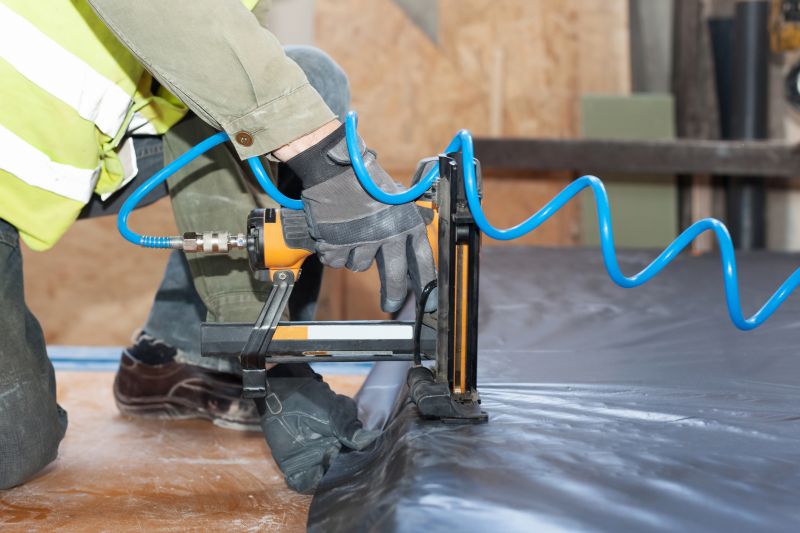
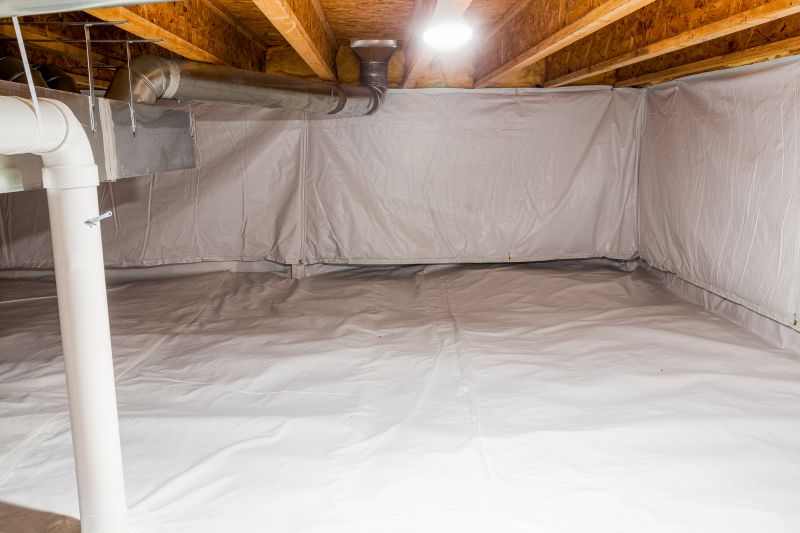
Vapor barrier installation in Hugo, MN typically involves the placement of a moisture-resistant membrane in areas such as basements, crawl spaces, or flooring to prevent ground moisture from penetrating the structure. The overall cost can vary depending on the size of the area, the type of materials selected, and the complexity of the site conditions. Factors such as existing foundation features and access can influence the scope and pricing of the project.
Final pricing for vapor barrier installation is influenced by several variables, including the chosen materials, labor requirements, and specific site conditions. Since project costs can differ based on these factors, it is advisable to obtain detailed estimates that consider the scope of work, material quality, and any site-specific considerations to compare options effectively.
Typical Cost Range for Vapor Barrier Installation in Hugo, MN
$1,200 - $2,800 (smaller scope)
$3,500 - $7,000 (full basement)
| Project Type | Typical Range |
|---|---|
| Basic Vapor Barrier Installation | $1,200 - $2,800 |
| Full Basement Vapor Barrier | $3,500 - $7,000 |
| Garage Vapor Barrier | $1,500 - $3,000 |
| Crawl Space Vapor Barrier | $1,200 - $2,500 |
| Additional Insulation | $800 - $2,000 |
| Sealing and Repairs | $500 - $1,500 |
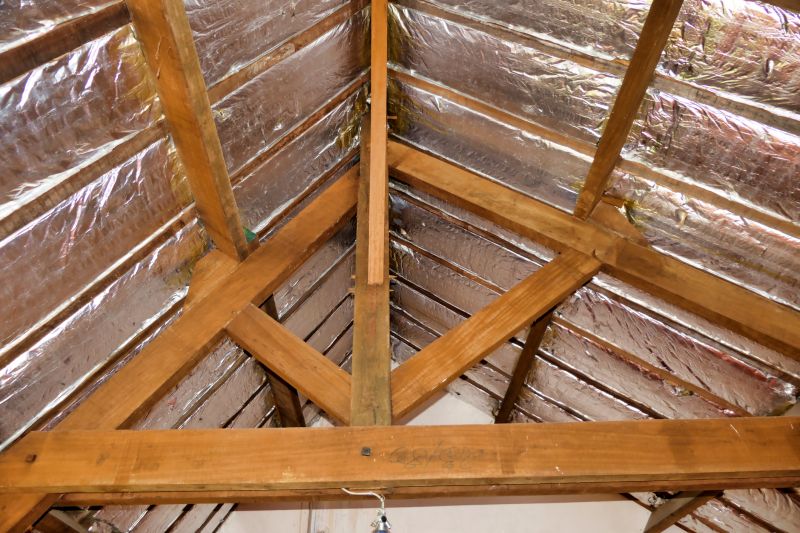
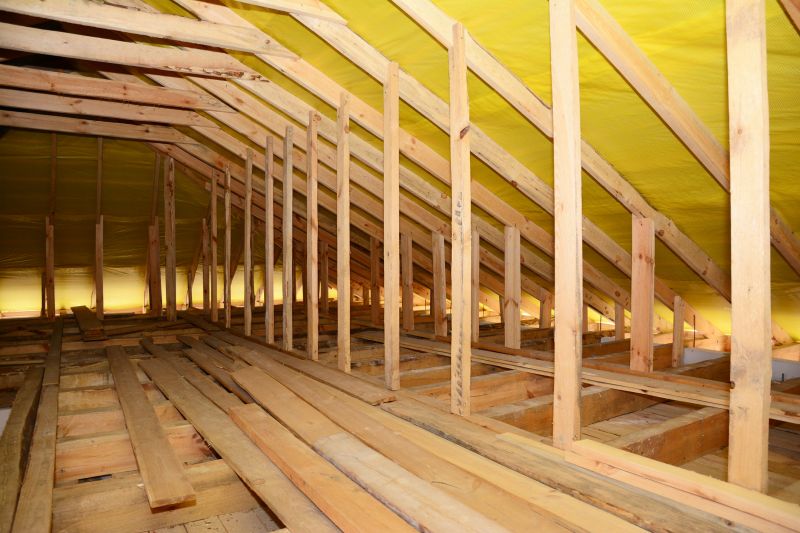
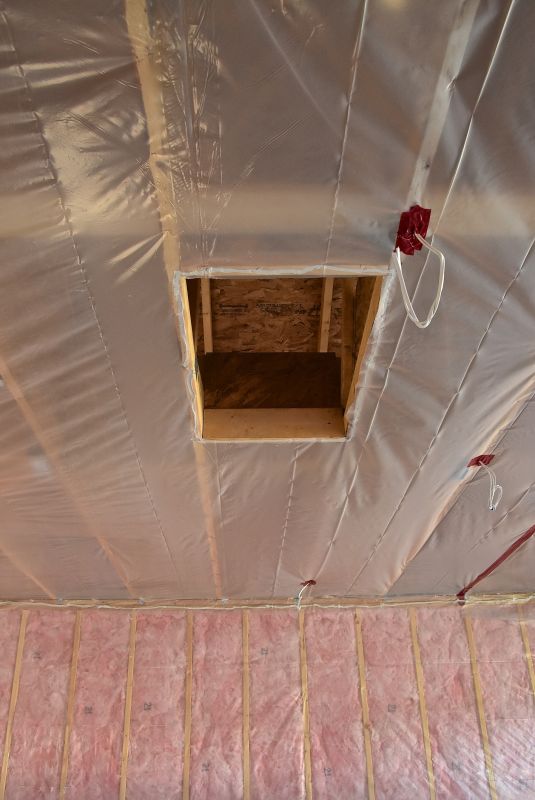
Factors Affecting Cost, Materials, and Labor Considerations.
Vapor barrier installation in Hugo, MN, is an important step in ensuring proper moisture control in building projects. Properly installed vapor barriers can help prevent issues related to mold, wood rot, and insulation effectiveness. Understanding the typical scope and considerations can aid in planning and budgeting for this process.
- Materials: Common vapor barrier materials include polyethylene sheeting, typically 6 mil or thicker, suitable for residential and commercial applications.
- Size and Scope: Installation covers areas such as crawl spaces, basements, or under concrete slabs, with size depending on the project footprint.
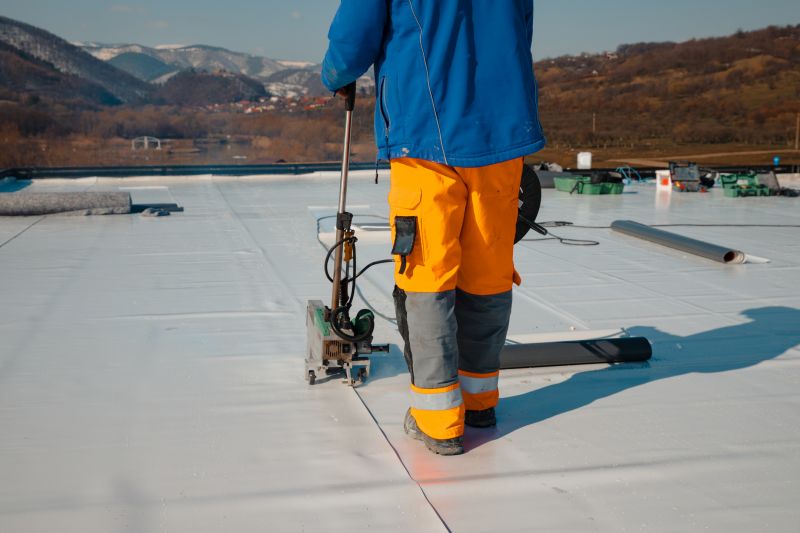
- Labor Complexity: Installation generally requires basic sealing and overlapping techniques, with complexity increasing in tight or irregular spaces.
- Permitting: Local building codes may require permits for vapor barrier installation, especially for structural or foundation work.
- Extras: Additional steps may include sealing seams, installing vapor retarders, or adding insulation on top of the barrier for enhanced performance.